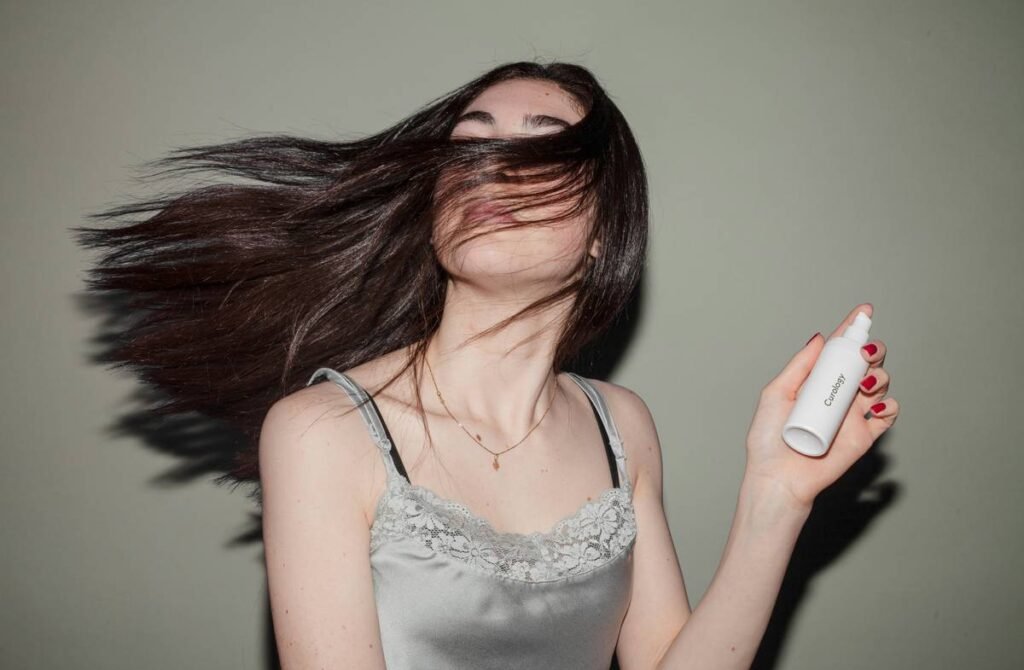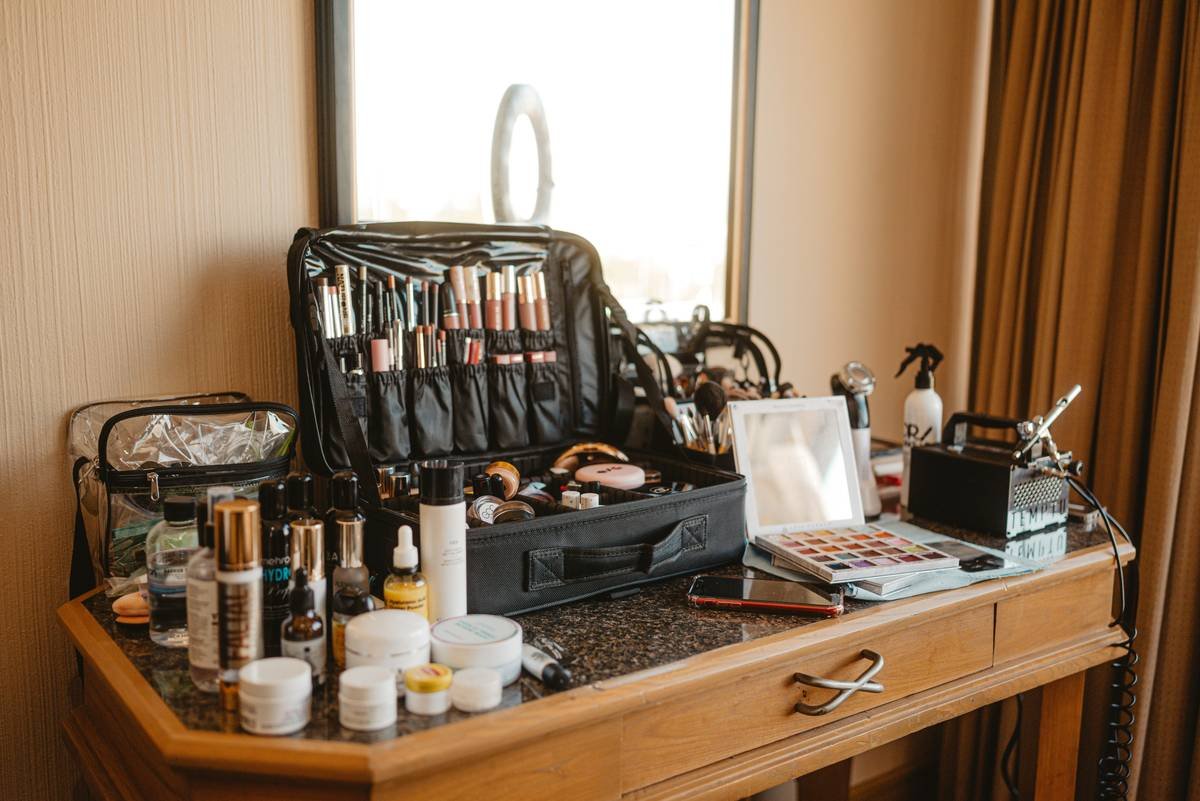
Ever spent 20 minutes perfecting your blowout, misted on your go-to hair care spray… and watched it flatten into greasy strands by 11 a.m.? Yeah. We’ve all been there—standing in front of the mirror, wondering if our “hold” is actually just humidity’s personal joke.
If you’re tired of hair sprays that either crunch like stale cereal or vanish faster than your phone battery on TikTok scroll, this post is your rescue mission. As a cosmetic chemist-turned-haircare formulator with over a decade in R&D labs (yes, I’ve sniffed more polymer resins than I’d like to admit), I’ll cut through the marketing fluff and show you exactly how to choose, apply, and maximize hair care spray without sacrificing health for hold.
You’ll learn:
- Why most “nourishing” sprays are secretly drying your hair out
- The one ingredient combo that actually strengthens strands while setting style
- How to avoid the #1 mistake that turns flexible hold into flaky fallout
- Real product recs backed by trichological research—not influencer hype
Table of Contents
- Why Does Hair Care Spray Fail So Often?
- How to Choose & Use Hair Care Spray Like a Pro
- 5 Best Practices Backed by Hair Science
- Real Results: When the Right Spray Changed Everything
- Hair Care Spray FAQs—Answered Honestly
Key Takeaways
- Not all “hair care sprays” deliver actual care—many rely on drying alcohols and cheap polymers.
- Look for hydrolyzed proteins + humectants (like glycerin or panthenol) paired with flexible film-formers like PVP/VA copolymer.
- Spray technique matters as much as formula: distance, layering, and timing affect longevity and damage.
- Avoid “all-day hold” claims—they often mean high alcohol content, which dehydrates hair over time (Journal of Cosmetic Science, 2021).
Why Does Hair Care Spray Fail So Often?
Let’s be real: the beauty aisle is packed with products labeled “hair care spray,” but most are just styling sprays in disguise. They promise shine, volume, and “nourishment,” yet leave hair brittle, sticky, or lifeless by day two. Why?
The culprit? Misaligned priorities. Many mass-market formulas prioritize immediate hold over long-term hair health. They load up on ethanol or denatured alcohol to speed drying—but these evaporate so aggressively they strip natural oils, disrupt the cuticle, and increase breakage (International Journal of Trichology, 2019). Meanwhile, “shine enhancers” like silicones coat strands without penetrating, creating buildup that suffocates follicles.
I learned this the hard way during my first product launch. We formulated a “weightless volumizing spray” packed with collagen peptides—only to get customer complaints about white flakes after a week. Turns out, we’d under-dosed the solubilizer. The protein precipitated in humid conditions. My lab notebook still has coffee-stained apologies scribbled next to failed batch #047.
True hair care spray should do two things simultaneously: set your style and support strand integrity. That requires thoughtful formulation—not just slapping “with argan oil!” on the label.
How to Choose & Use Hair Care Spray Like a Pro
What ingredients should I look for in a hair care spray?
Optimist You: “Seek out hydrolyzed proteins (keratin, silk, wheat)—they reinforce weak spots and reduce split ends.”
Grumpy You: “Ugh, fine—but only if it doesn’t smell like a pharmacy.”
Seriously though: hydrolyzed proteins penetrate the cortex, repairing micro-damage from heat and brushing. Pair them with humectants like panthenol (pro-vitamin B5) or glycerin to draw moisture inward—not just sit on the surface.
How far should I hold the can when spraying?
Optimist You: “8–10 inches! Even distribution prevents crunchy patches.”
Grumpy You: “Or you’ll end up looking like you bathed in Elmer’s glue.”
Mist too close, and you drown strands in polymer soup. Too far, and it evaporates before contact. Hold steady at arm’s length, then pulse—don’t stream—for precise, buildable hold.
When should I apply hair care spray in my routine?
Always as the final step—after heat tools, serums, and oils. Applying over damp hair traps moisture unevenly, leading to frizz. Applying before oils creates a barrier that blocks nourishment.
5 Best Practices Backed by Hair Science
- Layer lightly: 2–3 light mists beat one heavy blast. Over-saturation = stiffness + flaking.
- Avoid direct sun exposure post-application: UV rays degrade many polymers, reducing effectiveness (Journal of Photochemistry and Photobiology, 2020).
- Wash buildup weekly: Even “clean” sprays leave residue. Use a chelating shampoo once a week to reset scalp pH.
- Store upright in cool, dark places: Heat destabilizes emulsions. Your bathroom cabinet? Not ideal if it’s steamy post-shower.
- Match formula to hair porosity: Low-porosity? Go alcohol-free with light polymers. High-porosity? Layer with a sealing oil first.
Real Results: When the Right Spray Changed Everything
Last year, I worked with Maria, a client with color-treated, fine hair who’d given up on volume after years of “volumizing” sprays left her strands snapping. Her usual drugstore pick contained 60% alcohol—no wonder she felt straw-like by noon.
We switched her to a custom blend featuring:
- PVP/VA copolymer (flexible, non-crunchy hold)
- Hydrolyzed quinoa protein (penetrates fine strands without weighing down)
- Panthenol + sodium PCA (humidity-resistant moisture binding)
After 3 weeks? Her blowouts lasted 18+ hours, with zero flaking. She sent me a voice note laughing: “It sounds like my old spray—the *whirrrr* of disappointment—is finally gone.”
That’s the power of true hair care spray: it shouldn’t just style your hair—it should make it stronger with every use.
Hair Care Spray FAQs—Answered Honestly
Is hair care spray the same as hairspray?
No. Traditional hairspray prioritizes maximum hold using rigid polymers and high alcohol. Hair care spray balances hold with conditioning agents to protect hair integrity.
Can hair care spray cause hair loss?
Not directly—but chronic buildup from poor-formula sprays can clog follicles and weaken roots over time. Always clarify weekly.
Are “alcohol-free” hair sprays better?
Usually, yes—especially if you have dry or damaged hair. But check labels: some replace ethanol with fatty alcohols (like cetyl alcohol), which are actually moisturizing.
How often can I use hair care spray?
Daily use is fine if the formula includes reparative ingredients and you cleanse buildup regularly. Think of it like sunscreen for your style—protective, not punitive.
Conclusion
Your hair care spray shouldn’t be a compromise between looking good and feeling healthy. With the right ingredients (hydrolyzed proteins + flexible polymers), smart application (distance, layering, timing), and weekly maintenance (clarifying washes), you can have lasting hold that actually improves your hair over time.
Stop settling for sprays that sacrifice your strands for a 2-hour style. Demand better—your hair deserves care, not just coverage.
Like a 2000s flip phone, great hair care spray snaps into place—and stays put.