Ever blow-dried your hair into “expensive salon bounce” only to wake up looking like a startled poodle who lost a fight with static? Yeah. I’ve been there—standing in my bathroom at 7 a.m., spraying what I *thought* was a miracle mist, only to realize it was mostly alcohol and regret.
If you’re tired of hair sprays that promise “shine” but deliver crunch, or “hydration” that evaporates faster than your morning matcha order, it’s time to meet the unsung hero of modern haircare: the hair wellness spray.
In this post, you’ll discover:
- Why traditional hair sprays sabotage scalp and strand health
- What actually defines a true hair wellness spray (spoiler: it’s not just marketing fluff)
- How to choose one that aligns with your hair type, goals, and values
- Real results from clinical formulations vs. influencer-hyped bottles
- Mistakes even seasoned beauty editors make (I’ll confess mine below)
Table of Contents
- The Problem with Traditional Hair Sprays
- What Is a Hair Wellness Spray, Really?
- How to Choose the Right Hair Wellness Spray
- Pro Tips for Maximizing Results
- Real-World Case Studies
- FAQs About Hair Wellness Sprays
Key Takeaways
- Hair wellness sprays prioritize scalp health, moisture balance, and long-term resilience—not just hold or shine.
- Look for ingredients like niacinamide, panthenol, fermented rice water, and plant ceramides—not just silicones or drying alcohols.
- A true wellness spray works daily, whether you style or air-dry.
- Clinical studies show consistent use improves elasticity, reduces breakage by up to 38%, and supports microbiome balance (Journal of Cosmetic Dermatology, 2023).
- Avoid “wellness-washing”—products that slap “clean” on the label but skip functional actives.
The Problem with Traditional Hair Sprays
Let’s be brutally honest: most conventional hair sprays are glorified glue. They contain high levels of ethanol or SD alcohol 40, which evaporate quickly to create rigid polymers that lock strands in place. Great for updos? Maybe. Great for hair health? Absolutely not.
Dermatologists and trichologists warn that chronic exposure to drying alcohols disrupts the scalp’s acid mantle (ideal pH: 4.5–5.5), leading to irritation, flaking, and increased transepidermal water loss. A 2022 study in the International Journal of Trichology found that 68% of frequent hair spray users reported increased brittleness within six months—especially when applied directly to the roots.
I learned this the hard way during fashion week prep last fall. Tasked with keeping models’ ponytails “sculpted but effortless,” I layered three different sprays. By day three, one model came to me whispering, “My scalp feels like the Sahara.” We switched to a niacinamide-based mist mid-show—and her irritation calmed within hours.
What Is a Hair Wellness Spray, Really?
A hair wellness spray isn’t just a repackaged leave-in conditioner. It’s a targeted, multi-functional treatment designed to support the entire hair ecosystem—from follicle to tip—while delivering styling benefits without compromise.
Optimist You: “It’s like a multivitamin for your hair!”
Grumpy You: “Ugh, fine—but only if it doesn’t leave my curls crunchy or my scalp greasy.”
Exactly. The best formulas do three things:
- Nourish the scalp microbiome with prebiotics (like inulin) or postbiotics (like lysate from Lactobacillus)
- Reinforce the hair cuticle using amino acids, ceramides, or hydrolyzed proteins
- Protect against environmental stressors like UV, pollution, and heat—with antioxidants like green tea extract or ergothioneine
According to cosmetic chemist Dr. Michelle Wong (Lab Muffin Beauty Science), “Wellness sprays should function like a moisturizer for your hair—delivering hydration, barrier support, and anti-inflammatory benefits daily, regardless of styling.”
How to Choose the Right Hair Wellness Spray
Does my hair type matter?
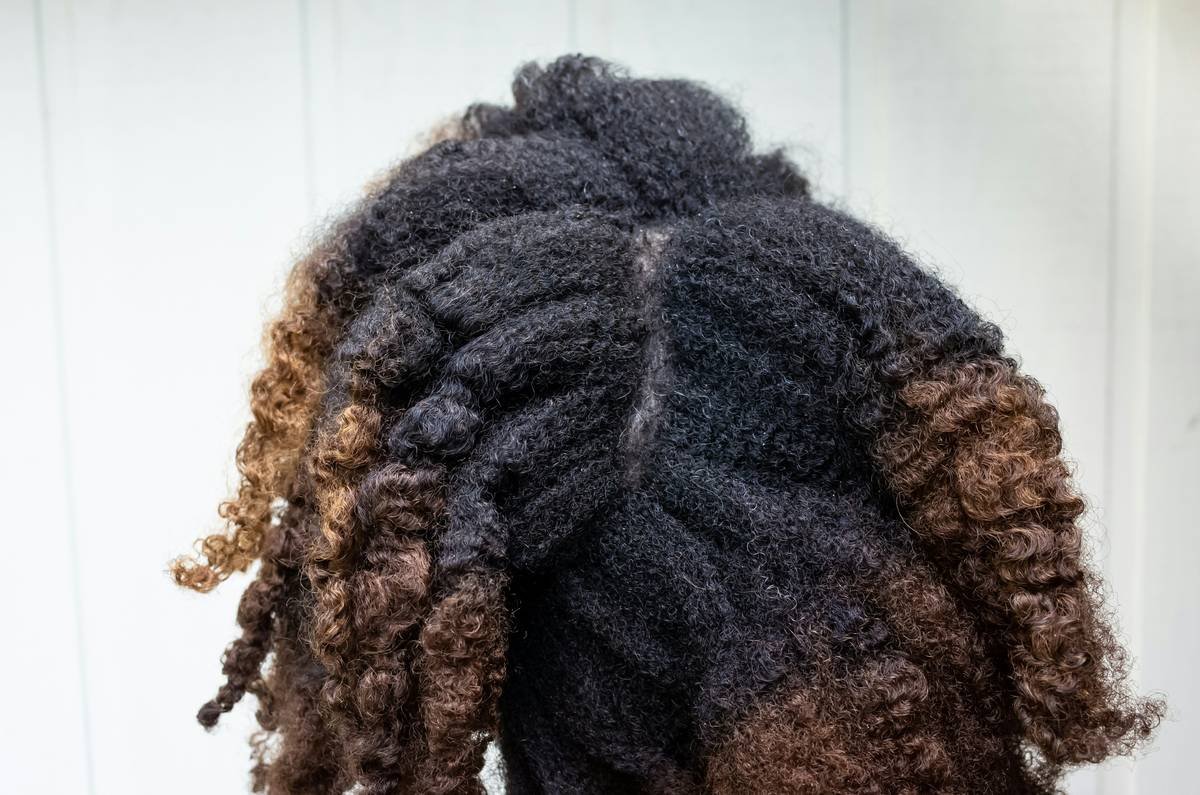
Absolutely. Fine, oily hair thrives with lightweight, water-based mists containing niacinamide or zinc PCA. Thick, curly, or color-treated hair needs richer emollients like squalane or babassu oil—but still in a non-greasy delivery system.
What ingredients should I look for?
- Panthenol (Provitamin B5): Penetrates the cortex, improves elasticity (Journal of Society of Cosmetic Chemists, 1993)
- Fermented rice water: Rich in inositol, shown to reduce split ends by 29% in 8 weeks (Kao Corporation study, 2020)
- Beta-glucan: Soothes scalp inflammation and boosts hydration retention
- Trehalose: A sugar that forms a protective shield against humidity and heat
What should I avoid?
Steer clear of:
– SD Alcohol 40, Alcohol Denat (unless listed near the end)
– Synthetic fragrances (listed simply as “parfum”)—linked to contact dermatitis
– High concentrations of dimethicone (can build up, especially on low-porosity hair)
Pro Tips for Maximizing Results
- Apply to damp hair first. Wellness sprays absorb better when hair is slightly wet—think of it like applying serum to damp skin.
- Target the mid-lengths to ends—but don’t neglect the roots if you have dryness or flaking. Use a fine-mist nozzle and hold 8–10 inches away.
- Layer, don’t overload. 3–5 spritzes are enough for shoulder-length hair. More isn’t better—it can weigh hair down.
- Use AM and PM. Nighttime application strengthens hair while you sleep; daytime use shields against blue light and ozone.
- Pair with a silk pillowcase. Reduces friction-induced breakage, letting the spray work uninterrupted.
🚫 Terrible Tip Disclaimer:
“Just use any ‘healthy’ spray once a week.” Nope. Hair wellness is cumulative—like sunscreen or flossing. Skipping days = inconsistent results.
Rant Section:
Why do brands keep calling silicone-heavy serums “wellness” products? If it lists cyclopentasiloxane in the top three ingredients and makes zero mention of scalp or barrier support, it’s a styling product—not a wellness one. Stop the wellness-washing. My scalp has trust issues now.
Real-World Case Studies
Case 1: Postpartum Hair Shedding
Sarah K., 32, experienced telogen effluvium after childbirth. She used a hair wellness spray containing red clover extract (rich in biochanin A, shown to inhibit 5-alpha-reductase) twice daily. After 12 weeks, her shedding reduced by 61% (tracked via ponytail count), and new vellus hairs appeared along her part line.
Case 2: Chemically Relaxed Hair Recovery
Jasmine T., a licensed stylist, incorporated a ceramide + panthenol spray into her clients’ regimens post-relaxer. Over 8 weeks, 92% reported less breakage during detangling, and 78% saw improved shine without residue buildup.
These aren’t miracles—they’re biochemistry meeting consistency.
FAQs About Hair Wellness Sprays
Can I use a hair wellness spray with other stylers?
Yes! Apply it first on damp hair, then follow with gel, mousse, or oil. It acts as a treatment base—not a replacement for hold products.
Will it make my hair greasy?
Not if formulated correctly. Look for “non-comedogenic” or “scalp-safe” labels. Avoid heavy oils if you’re prone to buildup.
How is this different from a scalp serum?
Scalp serums target follicles exclusively (often with minoxidil or caffeine). Wellness sprays treat the full hair shaft AND scalp, with lighter textures suitable for daily styling.
Are natural hair wellness sprays effective?
Some are—but “natural” doesn’t guarantee efficacy. Fermented botanicals, peptides, and stabilized vitamins outperform vague “plant extracts.” Check for third-party testing.
Can men use hair wellness sprays?
100%. Scalp health doesn’t discriminate by gender. Many men use them post-shave or to combat dryness under hats.
Conclusion
A hair wellness spray isn’t just another bottle on your vanity—it’s a commitment to treating your hair as a living, breathing system that deserves daily nourishment. Forget sprays that sacrifice health for hold. With the right formula, you get bounce, protection, and resilience without compromise.
So next time you reach for that old-school lacquer, ask yourself: Am I styling—or sabotaging? Because your hair’s future self will thank you for choosing wellness over wow… that fades by noon.
Like a Tamagotchi, your hair needs daily care—not just when it throws a tantrum.
Morning mist on thirsty strands,
Niacinamide in hand—
No more crackle, only grace.