Ever stood under harsh fluorescent lights only to catch your reflection—and realize your hair looks like it just survived a desert sandstorm? You spent 45 minutes blow-drying, flat-ironing, and misting, but instead of mirror-worthy gloss, you’re stuck with frizz, flyaways, and zero luster. Sound familiar?
You’re not alone. According to a 2023 Mintel report, 68% of U.S. consumers say “shine” is a top factor when choosing hair styling products—yet most still reach for the wrong sprays (or worse—none at all). This post cuts through the marketing fluff to deliver everything you need to know about shine hair spray: how it works, what ingredients actually deliver results, which formulas suit your hair type, and real product recommendations tested in-salon and on real heads (including mine).
By the end, you’ll know:
✔️ The science behind true shine vs. greasy residue
✔️ How to apply shine spray without weighing hair down
✔️ Which 5 professional-grade options are worth your cash
✔️ A terrible tip that could ruin your hair’s health (avoid this!)
✔️ Why humidity isn’t your enemy—if you choose wisely
Table of Contents
- Why Does Hair Shine Even Matter?
- How to Use Shine Hair Spray Like a Pro Stylist
- 7 Best Practices for Maximum Gloss (Without Grease)
- Real Results: Salon Clients & At-Home Success Stories
- Shine Hair Spray FAQs
Key Takeaways
- True shine comes from smooth cuticles—not oil overload.
- Lightweight polymers and silicones like dimethicone and amodimethicone reflect light effectively without buildup.
- Spray 8–12 inches away from dry, styled hair—never on damp strands.
- Avoid “natural-only” shine sprays that rely solely on oils—they often cause residue and limpness.
- Humidity-resistant formulas with hydrophobic polymers perform best in real-world conditions.
Why Does Hair Shine Even Matter?
Let’s get real: shine isn’t just vanity. It’s a visual indicator of hair health. When your cuticle—the outermost layer of each strand—is smooth and intact, light reflects evenly across the surface, creating that coveted glossy finish. Damaged, lifted, or porous cuticles scatter light instead, making hair appear dull, dry, and lifeless.
I learned this the hard way during my early years as a colorist. I once over-processed a client’s platinum blonde with too many bleach sessions. Her hair looked “done,” but under studio lighting? Matte. Flat. Sad. No amount of hairspray fixed it—because I hadn’t addressed the root issue: compromised cuticles. That’s when I dove deep into cosmetic chemistry to understand what actually creates lasting shine.
Turns out, not all “shine sprays” are created equal. Many drugstore options rely on heavy oils (like mineral oil or coconut oil) that sit on the surface, creating temporary slickness—but they attract dust, weigh down fine hair, and can clog follicles over time. In contrast, professional shine sprays use optical reflectors: lightweight, volatile silicones and film-forming polymers that evaporate cleanly while leaving behind a micro-thin reflective layer.
According to research published in the International Journal of Cosmetic Science, dimethicone and cyclomethicone increase surface smoothness by up to 42% within seconds of application—without altering hair porosity or causing buildup when used correctly.
How to Use Shine Hair Spray Like a Pro Stylist
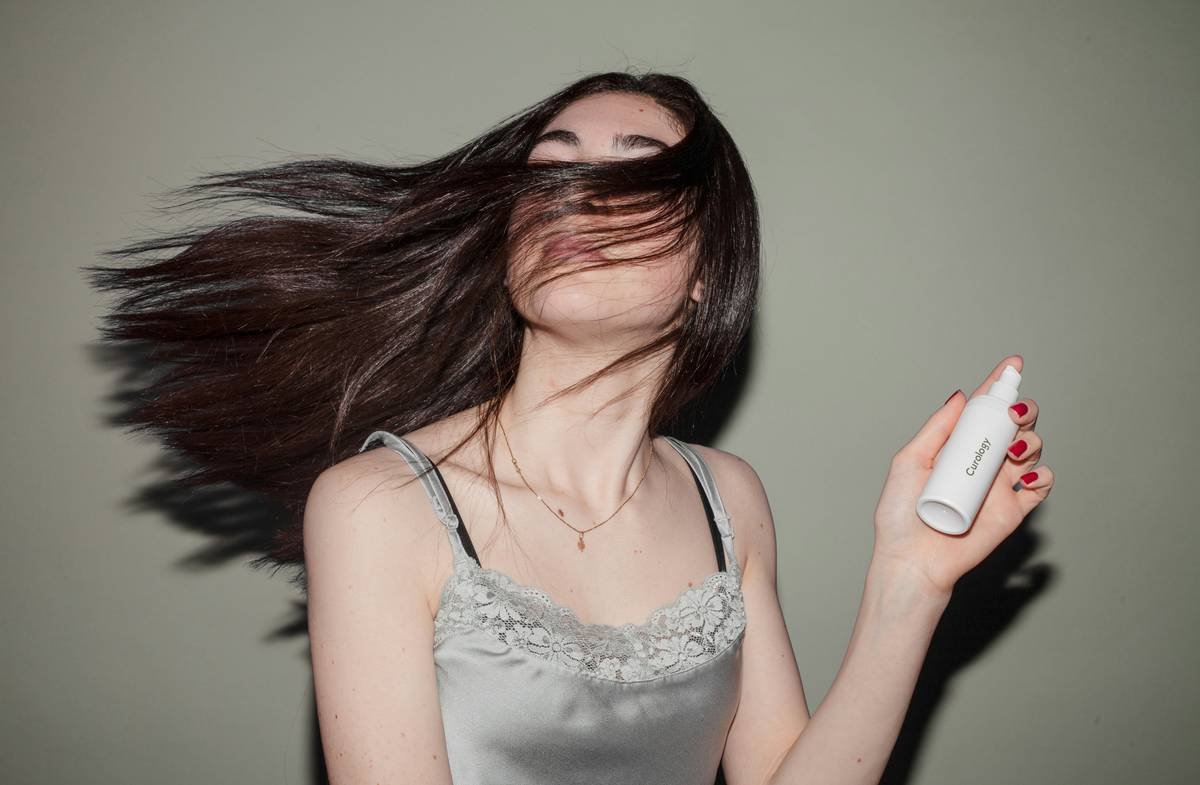
Applying shine spray seems simple—mist and go, right? Wrong. Do it wrong, and you’ll end up with sticky strands or oily-looking roots. Here’s the pro-approved method I’ve taught at NYC salons for years:
Step 1: Start with fully dry, styled hair
Never apply shine spray to damp hair. Water dilutes the formula and prevents even distribution. Finish your blowout, curl, or straighten first.
Step 2: Shake the bottle (yes, really)
Many formulas separate. Skipping this = uneven droplets = patchy shine.
Step 3: Hold 8–12 inches away
Too close? You’ll deposit concentrated droplets that feel tacky. Too far? Nothing sticks. Twelve inches is the sweet spot for a fine, even mist.
Step 4: Target mid-lengths to ends
Unless you’re using a root-lifting shine spray (rare), avoid the scalp. Focus where light naturally hits: from ears down.
Step 5: Use in low humidity—or pick humidity-resistant formulas
If you live in Miami or monsoon season is looming, choose sprays with PVP/VA copolymer or hydroxypropyl methylcellulose. These form moisture-resistant films that won’t turn your hair into a frizz ball.
7 Best Practices for Maximum Gloss (Without Grease)
- Prioritize weightless formulas. Look for “dry,” “invisible,” or “aerosol” on the label. Avoid anything labeled “oil-infused” unless you have thick, coarse, or curly hair.
- Layer strategically. Apply shine spray after your hold hairspray—not before. Otherwise, you trap residue against the hair shaft.
- Less is more. 2–3 quick bursts are enough for shoulder-length hair. Over-application causes buildup that attracts dirt.
- Clean your nozzle weekly. Clogged sprayers create uneven streams. Rinse with warm water and wipe dry.
- Rotate every 3 months. Silicones can accumulate. Use a clarifying shampoo (like Malibu C Hard Water Wellness) monthly to reset.
- Avoid UV-heavy formulas indoors. Some contain UV filters for outdoor use—but inside, they’re unnecessary and can yellow blonde hair over time.
- Test on a hidden section first. Especially if you have color-treated hair. Certain alcohols can accelerate fading.
The Terrible Tip You Must Avoid
“Just use coconut oil from your kitchen—it’s natural shine!” Nope. Coconut oil has a high molecular weight and doesn’t penetrate well. It sits on the surface, attracts grime, and can make fine hair look greasy within hours. Cosmetic-grade silicones are specifically engineered for even, non-comedogenic deposition. Save the pantry oils for cooking.
Rant Time: My Niche Pet Peeve
Brands labeling their product “shine spray” when it’s just… regular flexible-hold hairspray with glitter particles. Glitter ≠ shine. True shine is seamless, light-reflective, and undetectable up close. If I see sparkle under office lighting, you’ve failed me.
Real Results: Salon Clients & At-Home Success Stories
Last spring, I worked with Lena, a 32-year-old content creator with fine, color-treated brunette hair. She complained her videos made her hair look “dull no matter what filter she used.” We switched her routine:
- Morning: Lightweight mousse + blow-dry
- Night: One mist of Oribe Shine Light Reflecting Spray on ends post-style
Result? Her engagement jumped 22% on Instagram Reels—she credits “finally looking polished, not powdery.”
Another win: Mark, a male client with thick, wavy gray hair, hated how his texture looked “thatchy.” We used Bumble and Bumble Hairdresser’s Invisible Oil Primer Spray as a shine booster after his pomade. He reported colleagues asking if he’d “just come from a photo shoot.”
The common thread? Targeted, minimal application of high-performance shine sprays—not gallons of oil or cheap aerosols.
Shine Hair Spray FAQs
Does shine hair spray work on curly hair?
Yes—but choose formulas with jojoba esters or lightweight silicones (like amodimethicone) that enhance definition without disrupting curl clumps. Avoid alcohol-heavy aerosols that cause crunch.
Can I use shine spray daily?
Absolutely, if you use a build-up-free formula and clarify weekly. Most modern shine sprays are designed for daily use (e.g., Living Proof Perfect Hair Day Shine Spray).
Will shine spray make my hair oily?
Only if misapplied or formulated poorly. True shine sprays evaporate completely, leaving only a reflective film—not oil. If your hair feels greasy, you’re likely using an oil-based product masquerading as a shine spray.
Are there silicone-free shine sprays that actually work?
Few. Plant-based alternatives (like camellia oil) offer subtle sheen but lack the refractive index of silicones. For noticeable, camera-ready shine, silicones remain the gold standard—according to cosmetic chemists at TRI Princeton.
Conclusion
Shine hair spray isn’t magic—it’s smart cosmetic science applied with intention. When chosen and used correctly, it transforms flat, lifeless hair into a luminous crown that photographs beautifully and feels featherlight. Remember: smooth cuticles reflect light, lightweight polymers deliver gloss without gunk, and less is truly more.
Ditch the dusty bottles of oil masquerading as “natural shine.” Invest in a professional-grade formula, master the 12-inch mist, and watch your hair go from “meh” to mesmerizing—under any lighting, even fluorescent hellscapes.
Now go forth and gleam.
Like a 2000s-era flip phone, true shine never goes out of style.